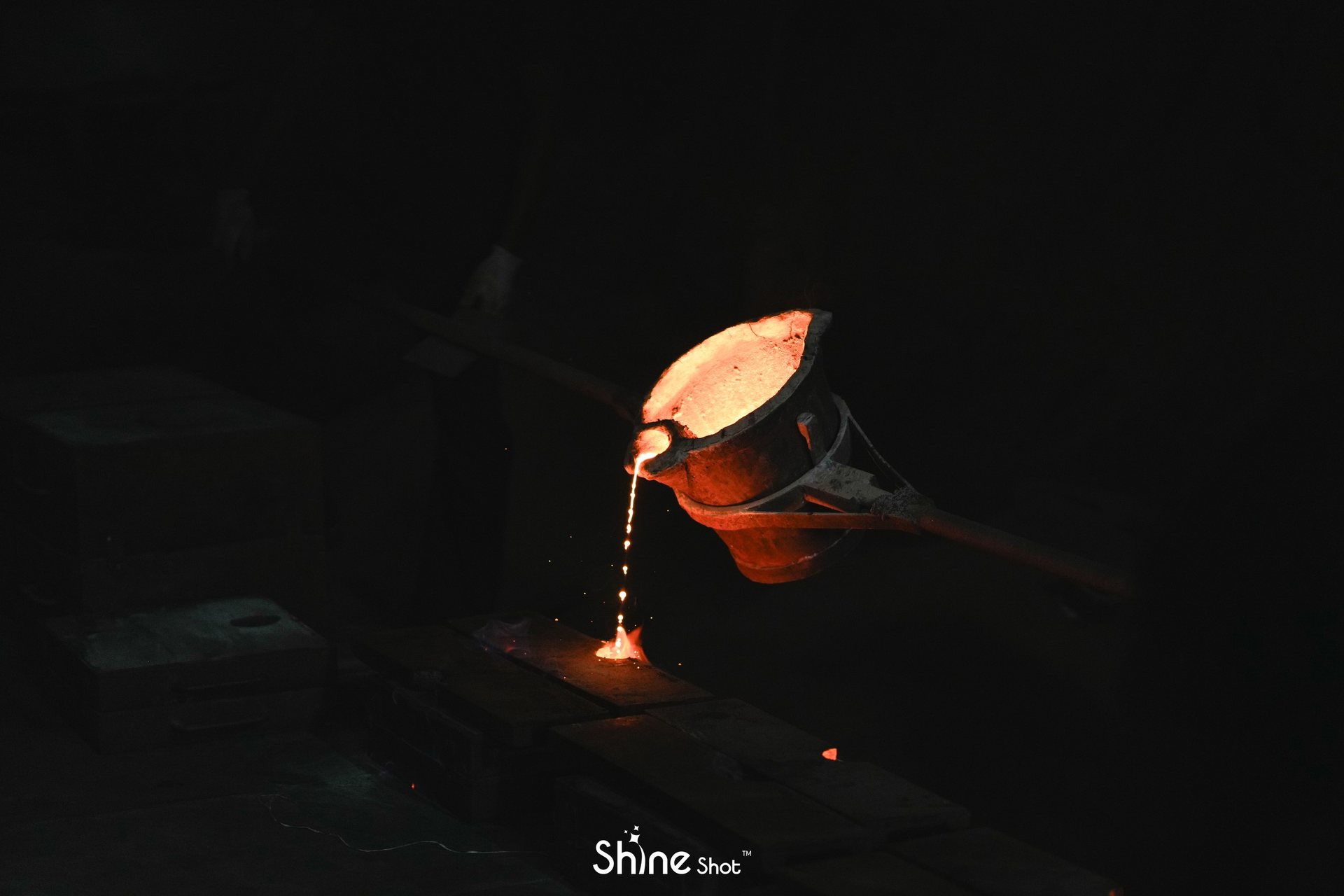
What is C.I. casting, and why is cast iron still everywhere?
Nandini Foundry | 15 Jun, 2026
 Precision C.I. Castings
Nandini Foundry | 15 Jun, 2026
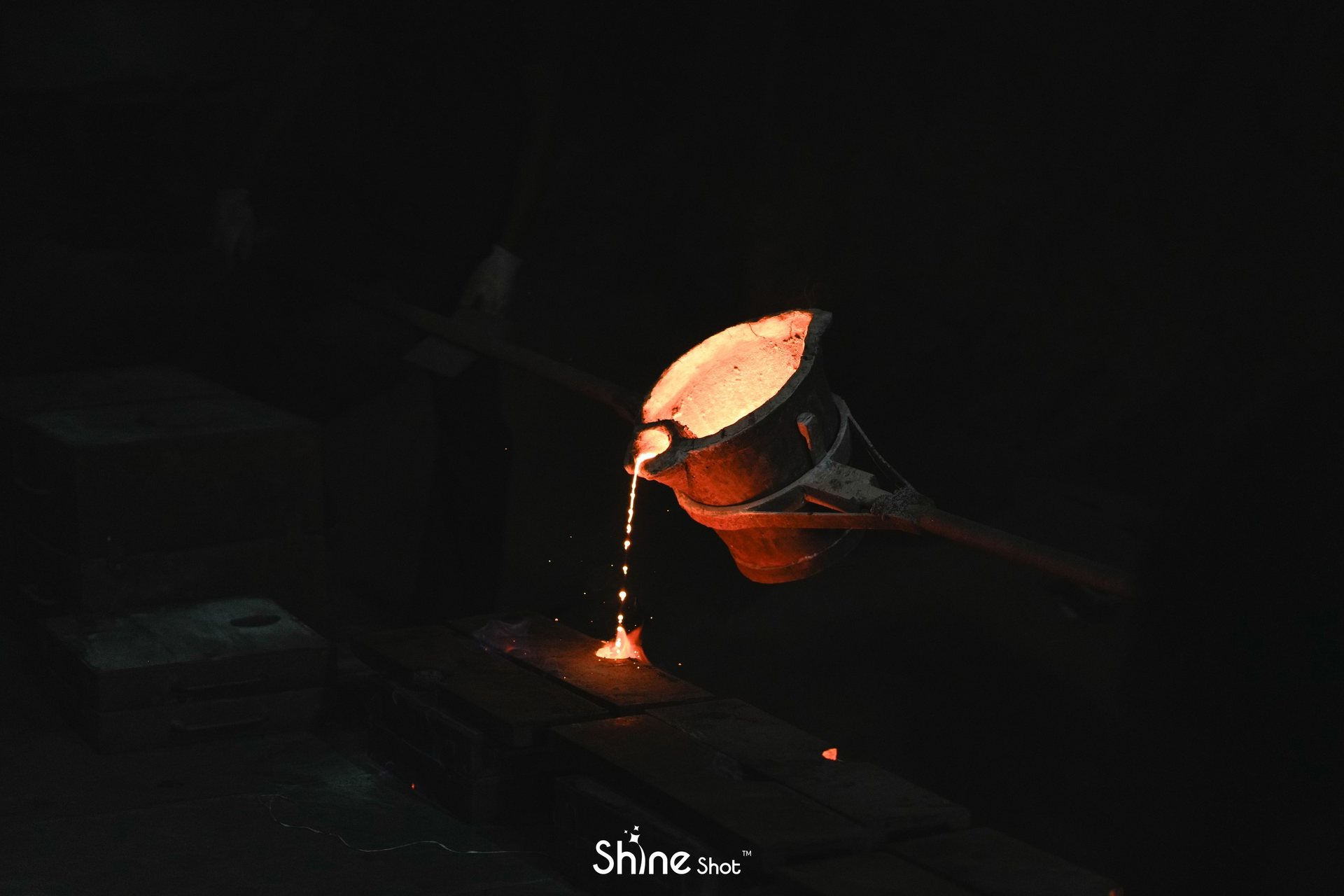
A plain-language introduction to cast iron (C.I.) casting and the properties that keep it in motors, pumps and valves.
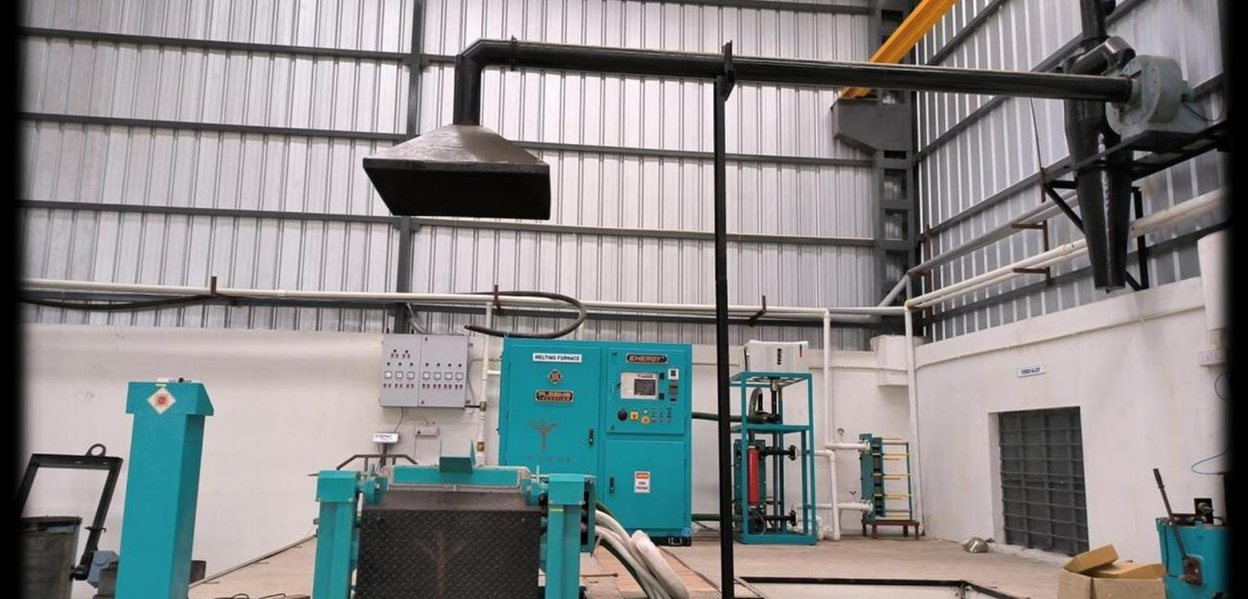
C.I. stands for cast iron. In C.I. casting, iron is melted, poured into a mould shaped like the part, and left to solidify. Once cooled, the casting is removed from the mould and cleaned.
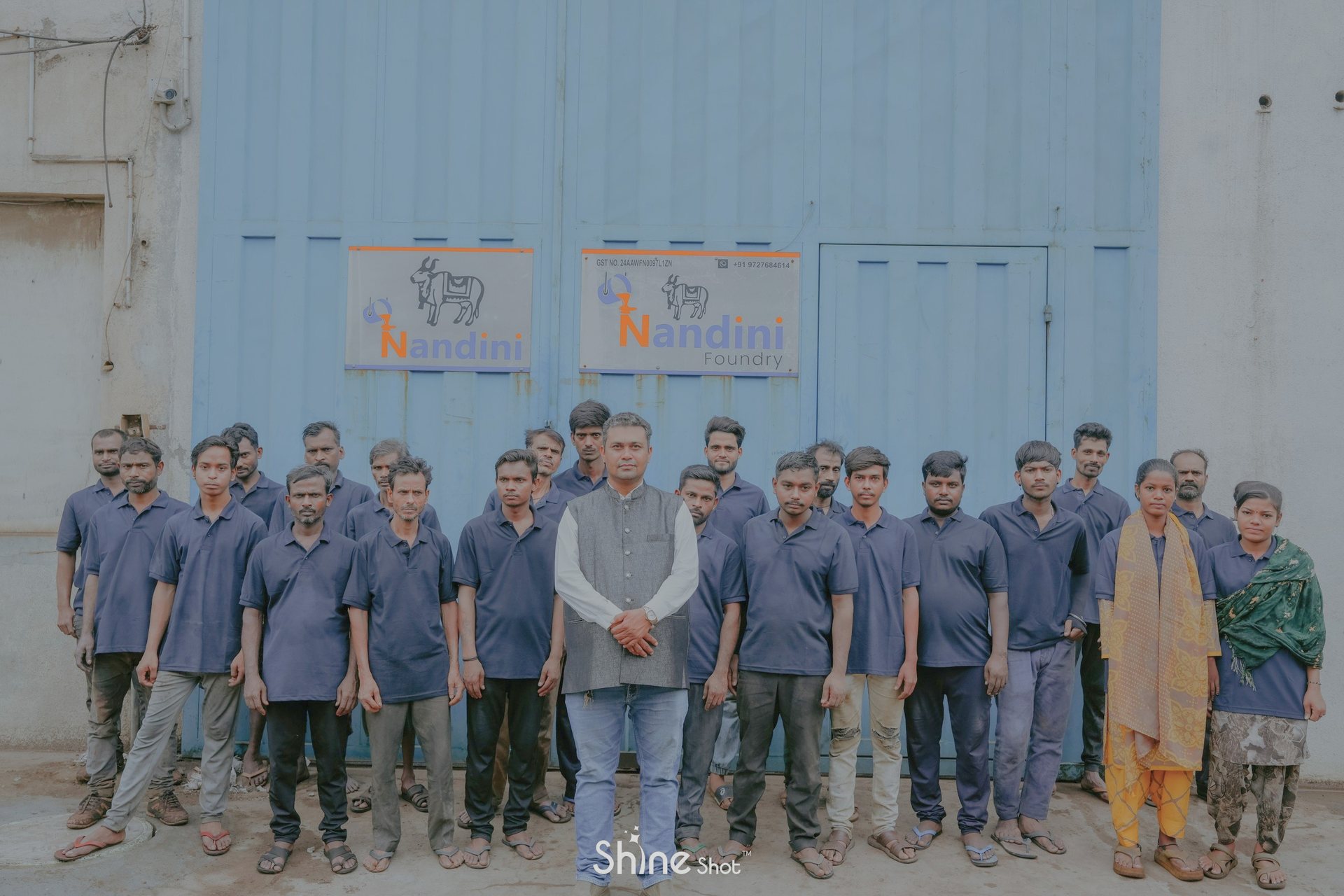
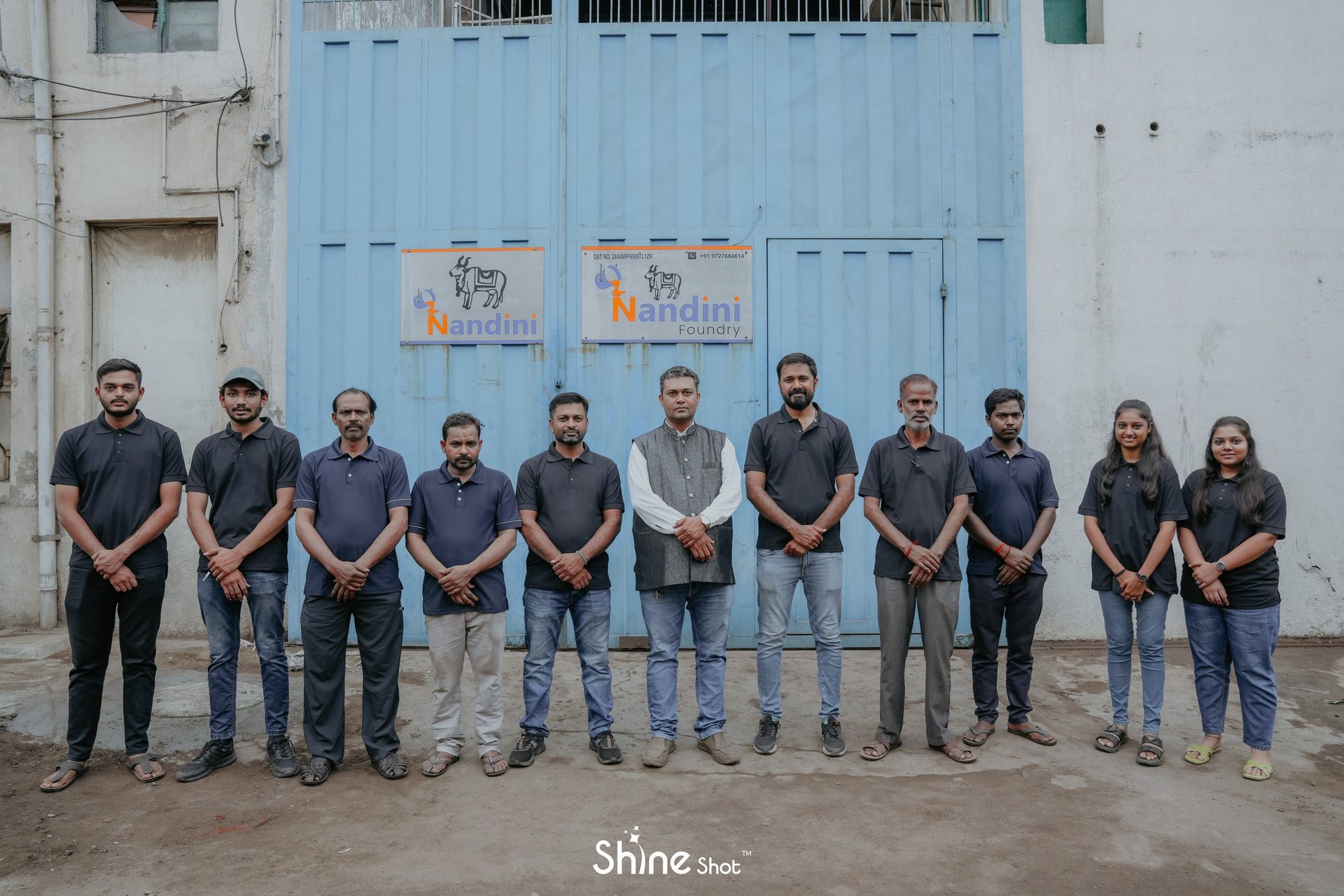
C.I. casting is the core of Nandini Foundry. We cast parts from 100 grams to 400 kilograms in-house in Rajkot, for motor, pump, fire safety, bearing and hydraulic manufacturers.

 01 Oct, 2026
 20 Sep, 2026
 10 Sep, 2026
Get in touch with our team for more information.